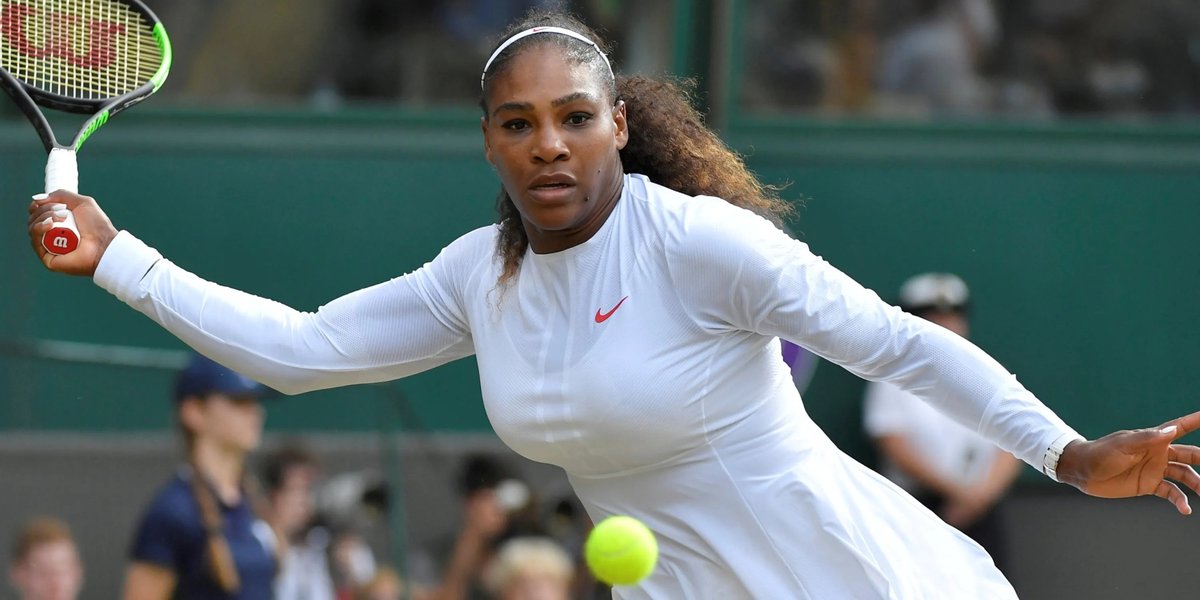
Debating the 'top 100 female tennis players of all time' is a surefire way to ignite passionate discussions among tennis fans. It's not just about Grand Slam titles; it's about influence, longevity, and the mark these athletes left on the sport. What makes someone truly rank among the all-time greats?
At a glance:
- Understand the complexities of ranking tennis legends across different eras.
- Explore the key factors considered when evaluating a player's overall impact.
- Discover the stories behind some of the most influential women in tennis history.
- Debunk common misconceptions about comparing players from different generations.
- Gain a deeper appreciation for the evolution of women's tennis.
Beyond Grand Slam Titles: What Truly Matters?
While Grand Slam victories are a primary metric, constructing a "definitive" list of the top 100 female tennis players of all time requires a more nuanced approach. Raw numbers don't always tell the full story. Consider these factors:
- Peak Dominance: How dominant was the player at their best? Did they have extended periods where they were virtually unbeatable? Steffi Graf's "Golden Slam" in 1988 (winning all four Grand Slams and the Olympic gold medal in a single year) showcases peak dominance.
- Longevity: Did the player maintain a high level of performance for many years, or were they a flash in the pan? Martina Navratilova's career spanned over three decades, demonstrating incredible endurance and adaptability.
- Influence: Did the player have a significant impact off the court, inspiring future generations, advocating for equality, or popularizing the sport? Billie Jean King's fight for equal prize money and her "Battle of the Sexes" match transcended tennis.
- Versatility: Could the player perform well on different court surfaces (grass, clay, hard)? Serena Williams' success on all surfaces demonstrates her versatility.
- Head-to-Head Records: How did the player perform against their top rivals? A strong head-to-head record against other legends can elevate a player's ranking.
Era Considerations: Comparing Apples and Oranges?
One of the biggest challenges in ranking players across different eras is accounting for the evolution of the sport. Rackets, training methods, and even the rules have changed significantly over time. Here's how to navigate these challenges:
- Acknowledge Equipment Differences: Players from earlier eras used heavier wooden rackets, which required different techniques and placed more emphasis on touch and finesse. Modern players benefit from lighter, more powerful rackets that allow for greater spin and power.
- Consider Training Regimens: Today's players have access to advanced training methods, sports science, and nutrition that were unavailable to players in the past.
- Factor in Tournament Depth: The depth of competition has increased significantly over time. Winning a Grand Slam in the 1950s might have been "easier" than winning one today simply because there were fewer top-level players.
- Adjust Expectations: Recognize that players from different eras faced different challenges and excelled within the context of their time.
A Tiered Approach: Grouping the Greats
Instead of trying to create a rigidly ordered list, a tiered approach can be more helpful in understanding the relative greatness of different players. Here's a possible framework:
Tier 1: The Undisputed Legends: These are the players who are universally recognized as being among the very best.
- Examples: Serena Williams, Steffi Graf, Martina Navratilova, Margaret Court.
Tier 2: The Near-Legends: These players achieved incredible success and are consistently ranked among the top contenders. - Examples: Chris Evert, Billie Jean King, Monica Seles, Venus Williams.
Tier 3: Dominant Forces: Players who enjoyed periods of significant dominance and won multiple Grand Slam titles. - Examples: Justine Henin, Martina Hingis, Lindsay Davenport, Kim Clijsters.
Tier 4: Trailblazers and Modern Stars: Players who either paved the way for future generations or have achieved significant success in the modern era. - Examples: Li Na, Maria Sharapova, Simona Halep, Naomi Osaka.
Tier 5: Consistent Performers and Specialists: Players who consistently reached the later stages of Grand Slams and excelled on specific surfaces. - Examples: Caroline Wozniacki, Tracy Austin, Virginia Wade.
This tiered system allows for a more flexible and nuanced appreciation of the 'top 100 female tennis players of all time'.
Practical Playbook: Evaluating a Player's Legacy
Want to assess a player's standing among the greats? Use this quick checklist:
- Grand Slam Count: How many singles titles did they win?
- Weeks at Number 1: How long did they hold the top ranking?
- Year-End Ranking: How consistently did they finish the year in the top 10?
- Surface Success: Were they successful on multiple court surfaces?
- Rivalries: Who were their main rivals, and how did they perform against them?
- Impact: What was their impact on the sport beyond their on-court achievements?
Quick Answers: Common Questions & Misconceptions
- Q: Is it fair to compare players from the amateur era to those from the Open Era?
- A: It's challenging, but not impossible. Acknowledge the differences in training, equipment, and tournament structure, and focus on relative dominance within their respective eras.
- Q: Does winning more Grand Slam titles automatically make a player better?
- A: Not necessarily. While Grand Slam titles are important, factors like longevity, head-to-head records, and impact on the sport also matter.
- Q: How much weight should be given to doubles and mixed doubles titles?
- A: While impressive, singles titles generally carry more weight in evaluating a player's overall legacy. However, excelling in doubles and mixed doubles demonstrates versatility and all-around skill.
- Q: What about players whose careers were cut short by injury or other circumstances?
- A: It's a "what if" scenario. While their potential is undeniable, their actual achievements must be considered within the context of their shortened careers. Monica Seles, for example, was undeniably on course to challenge Graf before her stabbing.
Case Studies: Diving Deeper into Specific Legends
Let's examine a few specific players to illustrate the complexities of ranking.
Steffi Graf: Her "Golden Slam" is unparalleled. Her powerful forehand and exceptional footwork made her a dominant force. But how much does the depth of competition in her era factor into her ranking compared to Serena Williams?
Martina Navratilova: Her longevity and success in both singles and doubles are remarkable. Her aggressive serve-and-volley style revolutionized the game. But does the fact that she played during a period of less intense media scrutiny affect how her accomplishments are perceived today?
Serena Williams: Her 23 Grand Slam singles titles are a record in the Open Era. Her powerful serve and relentless competitiveness made her a dominant force for over two decades. But can her legacy be fully appreciated without acknowledging the racial and gender biases she faced throughout her career?
Billie Jean King: More than a tennis player, she was a social activist. Her "Battle of the Sexes" victory and fight for equal prize money changed the landscape of women's sports and society. Read about female tennis legends and their broader impact on the sport.
Implementation Tips: Starting Your Own Debate
Armed with this framework, you can start forming your own informed opinions about the 'top 100 female tennis players of all time'.
- Do Your Research: Don't rely solely on headlines or popular opinions. Dig into the statistics, watch old matches, and read biographies to gain a deeper understanding of each player's career.
- Consider the Context: Always factor in the era in which a player competed, the equipment they used, and the challenges they faced.
- Be Open-Minded: Be willing to revise your opinions as you learn more. There's no single "right" answer, and the beauty of tennis is that there's always room for debate.
Actionable Close: Appreciate the Greatness
Ranking the 'top 100 female tennis players of all time' is a subjective exercise, but it's also a valuable way to appreciate the incredible achievements of these athletes. By considering a range of factors and acknowledging the complexities of different eras, we can gain a deeper understanding of the evolution of women's tennis and the lasting legacy of its greatest stars. The most important thing is to engage with the sport, learn from its history, and celebrate the incredible talent and dedication of these remarkable women.
